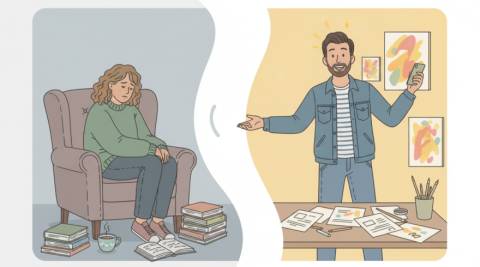
How a Bipolar Test Helps Track Emotional Trends
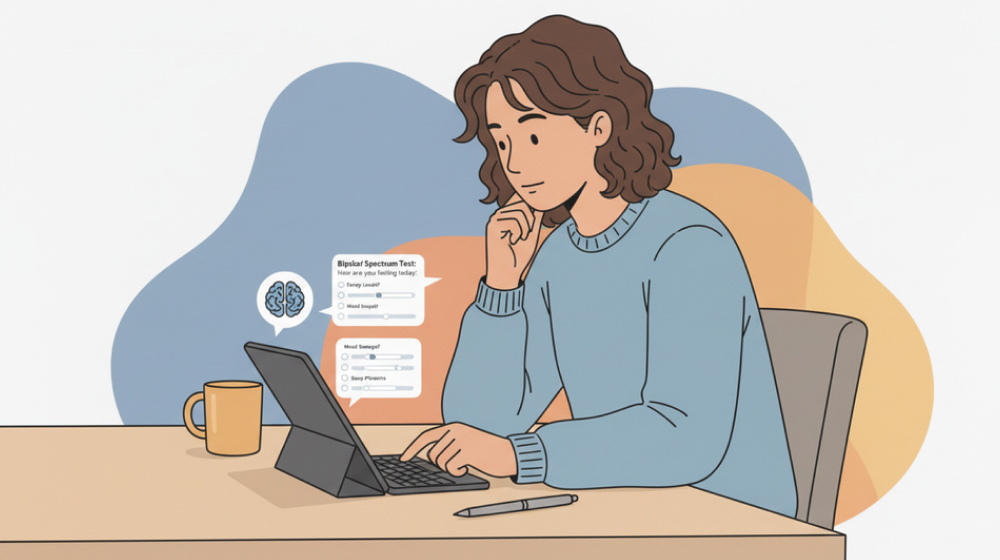
People searching for clarity about intense mood swings, racing thoughts, or unpredictable energy often turn to structured questionnaires to make sense of what they are experiencing. In that discovery phase, many rely on a resource such as the bipolar test, which frames questions around patterns of activity, sleep, impulsivity, and emotional variability. These tools can illuminate recurring trends and help you articulate concerns to a qualified clinician without replacing professional evaluation. By translating subjective experiences into observable indicators, a questionnaire offers language you can use to describe how long symptoms last, how frequently they appear, and how much they disrupt daily life. That context speeds up conversations with healthcare providers and can reduce the overwhelm that sometimes accompanies seeking care.

A helpful screen is not a diagnosis, and it is not a therapeutic plan by itself. For that reason, many clinicians encourage people to consider using a structured option like a bipolar disorder test, then bring the results to an appointment for interpretation. When used responsibly, a questionnaire becomes a map rather than a verdict, guiding you toward evidence‑based support. You can expect questions about elevated mood, irritability, drive, concentration, and sleep rhythm, with emphasis on duration and impairment. Answering consistently and honestly matters, because responses reflect trends over time more than fleeting feelings. If you’re unsure about an item, you can mark the best fit and jot notes to discuss later with a practitioner who can put findings in context.
Bipolar Test Science
Well‑constructed questionnaires are built from research that compares responses from people with and without a mood disorder, refining items that best predict meaningful differences. Within that framework, a widely used option is a structured bipolar screening test, which measures the presence of symptom clusters linked to hypomania, mania, and depressive episodes. Reliability emerges when questions consistently capture the same traits across time, while validity reflects how accurately they represent the underlying condition.
How to Select a Bipolar Assessment That Fits Your Needs
Different instruments emphasize different facets of mood regulation, such as impulsivity, goal‑directed activity, or sleep architecture. Many people are curious about inventories that examine temperament and traits, and they sometimes explore a format resembling a bipolar personality test to understand broader behavioral styles. Other measures zero in on episode‑related changes, asking how symptoms cluster and how long they persist. Selecting the right fit depends on why you’re screening, how much time you have, and whether you’ll review the results with a clinician. A practical approach is to compare focus areas, item counts, and ideal contexts before you begin.
| Focus Area | Typical Item Count | Time to Complete | Best Use Case |
|---|---|---|---|
| Hypomania/Mania Indicators | 10–20 items | 3–6 minutes | Initial screening before a clinical visit |
| Depressive Symptoms | 9–15 items | 3–5 minutes | Monitoring low‑mood cycles and impairment |
| Cycling Patterns | 12–25 items | 5–8 minutes | Tracking episode frequency and duration |
| Functional Impact | 8–16 items | 2–5 minutes | Evaluating work, school, and relationship effects |
After comparing focus and length, consider whether you need a tool centered on low‑mood symptoms, since that emphasis differs from broader cycling measures. For example, someone aiming to track lethargy, hopelessness, or anhedonia may turn toward a targeted option similar to a bipolar depression test, while another person mapping hypomanic traits may prefer a measure tuned to energy surges and reduced sleep. Individuals who suspect milder elevation patterns sometimes benefit from a format aligned with a bipolar 2 test, because item wording can better reflect subtler intensity. Ultimately, the best match is the one that aligns with your goals, your time constraints, and the level of professional support available to you afterward.
No single tool can diagnose a condition by itself, yet a carefully validated measure can point you toward the right level of care faster. People often ask about the most accurate bipolar test, and it’s useful to remember that accuracy depends on how the tool is used and who interprets the results. A screening score becomes more meaningful when combined with a thorough clinical interview, medical history, and, if appropriate, collateral input from someone who knows you well. Consider tracking sleep, caffeine use, and major life events alongside questionnaire scores, because those variables can heavily influence mood states.
Online Access, Privacy, and Using Results Responsibly
Digital access has made it easier to check symptom patterns from the privacy of home, especially for people who face logistical barriers to in‑person care. If you prefer a web‑based approach for convenience, you can consider a reputable option similar to a bipolar test online, and then save or print the results for later discussion. Accessibility is only one piece of the puzzle, however, because confidentiality and data stewardship also matter. Before you answer questions, look for clear privacy policies, transparent authorship, and references to peer‑reviewed research. Those signals help you differentiate between credible screening tools and superficial quizzes.
Cost can also influence whether someone takes the first step, particularly if they are exploring care for the first time. Many people value the ease of a free online bipolar test, which lowers the barrier to starting a constructive conversation about mood changes. When uncertainty is high, or curiosity sparks, it’s common to look up a simple option akin to an am I bipolar test as a starting point, and then move toward a professional assessment if the results suggest further evaluation. Treat online scores as informative snapshots rather than definitive answers, and avoid making major decisions without clinical input. Keeping a brief mood journal alongside your results can enrich the picture and guide next steps more effectively.
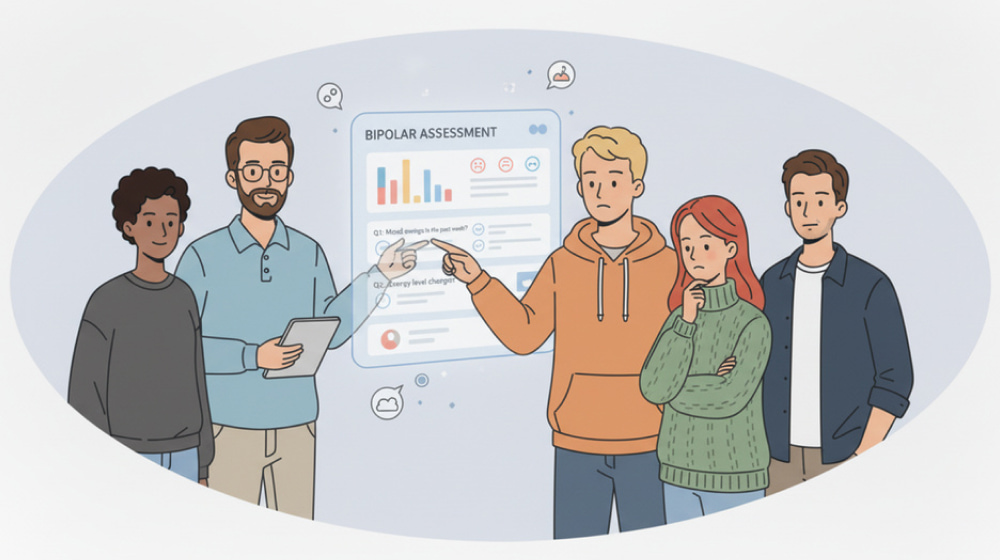
Special Considerations for Adolescents and Children
Screening youth requires extra nuance, because developmental stages influence sleep, activity, and emotion regulation in ways that can resemble mood symptoms. Families and caregivers often collaborate with pediatric specialists when considering a tool tailored to younger people, and some contexts call for a structured approach akin to a pediatric bipolar disorder test to capture age‑appropriate patterns. In school‑age children, questions may focus on behavioral shifts observed by teachers or caregivers, while adolescents may self‑report internal states more accurately. Because sleep cycles and social stressors change rapidly during these years, repeated check‑ins over time can be especially helpful. Documentation from multiple observers can add a valuable perspective that a single questionnaire might miss.
Adolescents can benefit from developmentally sensitive language and examples that match real‑world scenarios, like abrupt grade changes, social withdrawal, or bouts of risky behavior. For families exploring age‑specific tools, some resources are designed expressly for young people, including targeted formats similar to bipolar test teens, which emphasize context such as school functioning and peer relationships. Early identification can shorten the time to effective support, yet it should always be paired with a clinician’s evaluation. If a young person completes a screener, consider scheduling a follow‑up with a pediatric mental health professional who can interpret results in light of growth, environment, and co‑occurring conditions. Shared decision‑making helps ensure that next steps align with the adolescent’s needs and preferences.

Scores are most useful when they prompt a constructive conversation and a plan tailored to your situation. People often start with a consumer‑friendly tool similar to a bipolar disorder self-assessment test, and then bring results to a professional who can explore medical history, timing, and potential differential diagnoses. High or low totals do not automatically confirm or rule out a mood disorder, because context, like thyroid issues, sleep deprivation, or substance use, can mimic or amplify symptoms.
Turning Bipolar Test Insights into Action
When screening suggests a need for deeper evaluation, clinicians may recommend structured interviews, lab work, or additional scales for confirmation. In that situation, a practitioner might consider tools in the category of a bipolar disorder diagnosis test, combining standardized questions with clinical judgment to reach a conclusion. Communication matters at this stage, so bring your questions, preferences, and concerns to every appointment. If you’re already in treatment, share new screening results with your provider to inform adjustments rather than making changes on your own. The overall aim is to convert insight into action, whether that means psychoeducation, therapy, medication, lifestyle adjustments, or a combination tailored to your goals.

People often have practical questions before taking a mood questionnaire, especially around accuracy, privacy, and what to do afterward. In many cases, a brief format appeals to busy readers, and that is where a concise option like a short bipolar test can feel approachable without being overwhelming. Short forms trade depth for speed, so it helps to treat them as a doorway rather than a destination. If you’re concerned about confidentiality, look for clear data policies and avoid entering sensitive details you do not wish to store online. When interpreting scores, think of them as conversation starters that can streamline a professional assessment. Finally, remember that no screening tool replaces a clinician’s evaluation, and the most helpful next step is often to share results with a qualified professional.
Frequently Asked Questions
The Latest News
Please Note
This website (the-bipolar-test.com) is not an official representative, creator or developer of this application, or product. All the copyrighted materials belong to their respective owners. All the content on this website is used for educational and informative purposes only.