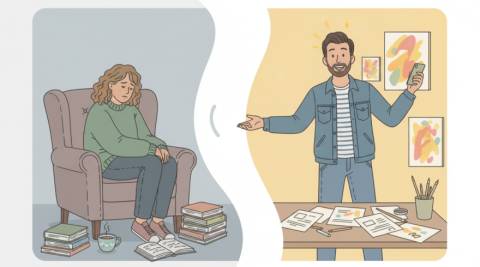
Take Bipolar and Depression Self-Tests for Disorder Screening
What These Self-Assessments Are, and Why People Use Them
Getting clarity about shifting moods starts with reliable information and realistic expectations. For many readers, the free online bipolar test serves as a low‑pressure first touchpoint before approaching a professional, offering a quick way to reflect on patterns. You can think of these questionnaires as signposts that highlight potential warning signals, not as definitive labels or judgments. With that mindset, a brief self‑check can reduce uncertainty and nudge you toward productive next steps.
These assessments typically ask about sleep changes, bursts of energy, irritability, rapid speech, racing thoughts, risk‑taking, and seasonal swings. As you explore options, the bipolar test online can function like a compass, pointing you toward patterns worth discussing without replacing a thorough evaluation. Many people appreciate the immediacy of feedback, which can be motivating when booking an appointment feels daunting. Others use the results to prepare better questions, gather examples from daily life, and share context with supportive friends or family. Done thoughtfully, this process lowers stigma and builds confidence.
It also helps to understand that mood conditions span a spectrum, and symptoms fluctuate over time. A short questionnaire can capture a snapshot, and pairing that snapshot with a timeline of your experiences amplifies its usefulness. Whether you are encountering symptoms for the first time or revisiting old concerns, structured prompts can illuminate patterns that casual reflection might miss. That clarity becomes the foundation for informed conversations with clinicians who can interpret nuance and rule out look‑alike issues.
How Digital Mood Screeners Work and the Benefits They Offer
Most reliable tools draw from validated questionnaires and convert them into clear, approachable prompts. In practice, a bipolar online test typically asks you to rate recent experiences such as sleep, energy, impulsivity, focus, and cycles of euphoria versus low mood. The items are designed to reduce ambiguity, often using time‑bound anchors like “in the past two weeks” or “during your most energetic periods.” This structure keeps recall bias in check and makes responses more consistent from one person to the next.
Behind the scenes, scoring rules group responses into ranges that suggest whether further evaluation might be warranted. In many tools, a bipolar screening test online mirrors validated questionnaires such as the MDQ or HCL‑32 while simplifying language, which helps non‑specialists engage confidently. Clear instructions make a big difference, as do explanations that distinguish screening from diagnosis. Thoughtful design reduces friction, which means more people actually complete the assessment and take constructive action afterward.
- Immediate insights that highlight patterns you may not have noticed day to day.
- Low barrier to entry, which can be vital when motivation feels fragile.
- Structured reflection that complements journaling, mood charts, or sleep logs.
- Educational feedback that demystifies terminology used in clinical settings.
- Shareable summaries that help loved ones understand what you’re experiencing.
Because attention, sleep, and energy interlock with lifestyle factors, these screeners also encourage healthy curiosity about routines. As you consider results, note triggers like jet lag, shift work, caffeine, or major stressors. Observing the context around mood shifts can be as valuable as the score itself when you speak with a clinician.
Understanding Results, Comparing Ranges, and Choosing Next Steps
After you submit responses, the interface typically shows a score band with guidance on what to consider next. When you finish, the online test bipolar usually presents score ranges with gentle recommendations rather than diagnoses, emphasizing that only a clinician can confirm a condition. Interpreting your score is easier if you pair it with a brief symptom timeline that notes onset, duration, and functional impact. That combination helps distinguish transient spikes from recurring cycles.
| Score range | What it may indicate | Suggested next move |
| Low | Few reported features of cyclical mood elevation or disruption | Monitor changes, track sleep and energy for several weeks |
| Moderate | Some features consistent with mood cycling that merit discussion | Schedule a primary care or mental health consult, bring notes |
| High | Multiple indicators that warrant a comprehensive evaluation | Seek a licensed clinician soon, consider sharing results and timeline |
Scores live in context, which means medications, thyroid issues, sleep debt, grief, or substance use can mimic similar patterns. If results feel confusing, the bipolar test online free is best treated as a conversation starter rather than a verdict, ensuring you keep context in mind. Whenever possible, try to bring collateral information, like input from someone who knows your patterns well, to enhance diagnostic clarity. Balanced interpretation prevents overreaction and keeps momentum focused on practical steps.
Accuracy, Limits, and Privacy Considerations You Should Know
Any quick screener favors sensitivity over precision, so false positives and false negatives can happen. Because hypomania can be subtle and culturally shaped, the bipolar 2 test online free may miss nuances a skilled clinician would catch during a detailed interview. Screening tools also struggle when symptoms overlap with ADHD, trauma responses, seasonal patterns, or sleep disorders. That is why a professional assessment includes medical history, differential diagnosis, and sometimes lab tests to rule out physiological causes.
Data stewardship matters, especially when sharing health‑related responses. Before you click start, review privacy statements and storage policies, and prefer tools that anonymize data. In many jurisdictions, consumer apps are not covered by HIPAA, so protecting yourself means reading the fine print. For convenience and immediacy, an online bipolar test can be helpful while you wait for an appointment, yet safeguarding your information should remain a priority. Consider using a private browser window, avoiding public Wi‑Fi, and not reusing sensitive details across accounts. These steps reduce risk while you pursue clarity.
Finally, remember that emotional states fluctuate with life events, nutrition, and routine. Repeating a screener after significant changes can yield more representative results. If your mood intensifies or safety becomes a concern, bypass self‑checks and contact appropriate support immediately. Your wellbeing takes precedence over any digital tool.
Who Might Consider Screening and How to Act on the Results
People often consider a brief self‑assessment after noticing recurring sleep shifts, bursts of goal‑driven activity, or cycles of elevated and low mood that affect work or relationships. For cost‑conscious users, an online bipolar disorder test free can be a practical bridge while waiting to see a clinician, offering structure when uncertainty feels overwhelming. Caregivers sometimes encourage a loved one to try a questionnaire to open dialogue, and college health centers may suggest screeners to students navigating new routines. If you are unsure whether your experiences are typical, structured prompts can clarify what stands out.
After receiving results, momentum matters more than perfection. When planning next steps with your notes in hand, a bipolar disorder test online can help you articulate concerns succinctly to a provider, improving the quality of the visit. Consider setting up a simple mood, sleep, and activity tracker for two to four weeks to collect richer data. Bring a list of medications, supplements, and major life events, because these can influence symptoms and potential treatments. Concrete information transforms a single appointment into an efficient, collaborative conversation.
- Book an evaluation with a licensed professional and share your timeline.
- Track sleep consistency, caffeine or alcohol intake, and stressors.
- Identify early warning signs and create a personal action plan.
- Loop in a trusted person who can offer observations and support.
- Revisit lifestyle anchors such as light exposure, exercise, and routines.
FAQ: Common Questions About Digital Bipolar Screeners
Are these tools diagnostic or just indicative?
They are indicative, not diagnostic, and they flag patterns that deserve a professional’s attention. To make the most of them, capture examples from daily life and bring those notes to an appointment, where a clinician can explore duration, severity, and causes beyond what a brief quiz can see. Context such as sleep timing, medication changes, and stressful events helps differentiate look‑alike conditions and refines the next step in your care plan.
How should I prepare before taking one?
Set aside a quiet moment and think about your last few months, not just the past couple of days. It also helps to compare results to a baseline over time, which is why many people repeat a screener after stabilizing routines like sleep or exercise. If you’re comfortable, invite a trusted friend or partner to share observations that might fill in blind spots you don’t notice in yourself.
What if my score looks high?
A high score means it is wise to schedule a comprehensive evaluation with a licensed clinician. While you wait, write down concrete examples, gather a list of medications and supplements, and consider short‑term safety planning if impulses feel risky. A measured response keeps you focused on actionable steps rather than worry, and it shortens the path from concern to clarity.
Can I retake a screener to track changes?
Yes, repeating a questionnaire after meaningful shifts, like restoring sleep, changing schedules, or altering medications, can show whether patterns persist. For ongoing reflection between visits, a bipolar online free test can complement mood charts, offering quick check‑ins that reveal trends without replacing clinical guidance. When possible, use the same tool each time so scoring remains comparable across weeks or months.
What’s the safest way to use results?
Treat results as a prompt for conversation, not a label, and pair them with professional input before making big decisions. To keep your information protected, prefer tools with transparent privacy practices and avoid sharing screenshots in public spaces. When ready to act, the free online test for bipolar disorder can anchor a helpful summary in your patient portal message, making it easier for your clinician to triage and respond efficiently.