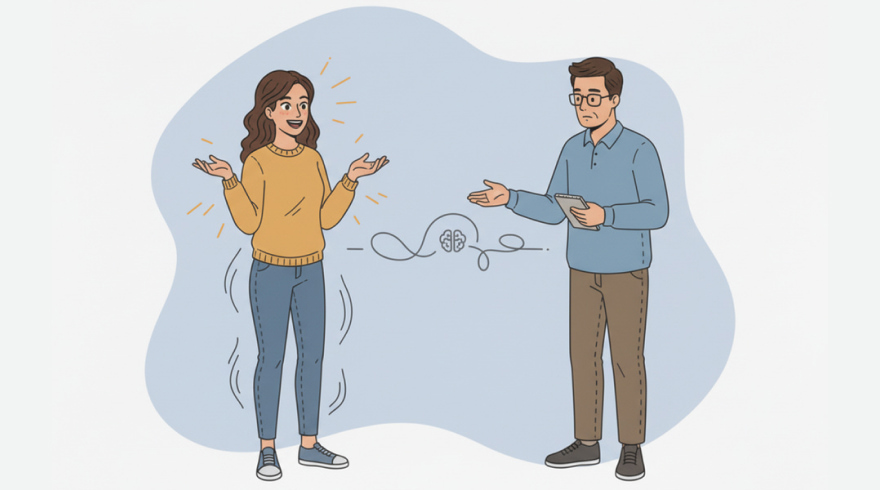
Take Bipolar and Depression Self-Tests for Disorder Screening
What a Screening Can Reveal and What It Cannot Replace
A mood screening aims to help you notice patterns that might otherwise blend into daily life. By gathering your recent experiences with energy, sleep, focus, motivation, and impulsivity, you can spot clusters of symptoms that often rise and fall in distinct cycles. Those cycles can influence work performance, relationships, and physical health, yet many people struggle to connect scattered episodes into a larger picture. A self-guided questionnaire offers a structured way to reflect on behaviors over time and to consider whether the frequency and intensity of mood changes warrant a professional conversation.
Because online tools are fast and private, they reduce barriers to introspection and encourage thoughtful preparation before seeking care. In many cases, people who have felt “all or nothing” moods, racing ideas, or unpredictable sleep find it validating to see their experiences mapped in a methodical format. For many, a bipolar self-test functions as a low-pressure bridge between uncertainty and action, giving context to symptoms and nudging them toward evidence-based next steps. It is not a diagnosis, but it can be a smart compass for deciding where to go next.
- Captures fluctuating mood, energy, and sleep patterns
- Highlights potential triggers and life stressors
- Encourages early, informed conversations with clinicians
- Offers a private, stigma-reducing first step toward care
How Self‑screening Works, From Questions to Preliminary Insights
Most mood questionnaires present short statements about recent experiences, asking how often you’ve felt unusually energized, unusually down, or both, and how much those states disrupted your day-to-day functioning. The items often focus on duration, severity, and impairment, because those dimensions help differentiate a passing rough patch from a recurring mood episode. When you mark your responses, the tool calculates a sum or weighted score that falls within a range, and that range maps to suggested next steps such as “monitor,” “discuss with a primary care clinician,” or “seek a specialized evaluation.”
Scales vary across platforms, yet many adapt questions from validated instruments to keep language plain and interpretation straightforward. After you submit answers, you typically receive a concise summary that flags potential risk while reminding you about the limits of self-assessment. In this context, a bipolar disorder self-assessment test can orient you to the types of symptoms clinicians look for, helping you describe your experience more clearly during an appointment. That clarity often shortens the path to the right referral, the right care team, and the right treatment plan.
- Questions target mood elevation, mood depression, and mixed features
- Scoring emphasizes frequency, intensity, and impact on life domains
- Immediate summaries reduce confusion and support next steps
- Educational tips prepare you for a clinical discussion
Benefits of Early Screening and Practical Tips for Honest Responses
Early self-reflection can reduce the time between first symptoms and effective care, which is critical because untreated cycles can escalate in both frequency and severity. Capturing subtle changes in sleep need, goal-directed activity, spending habits, or irritability can reveal a pattern that otherwise looks random. When you document these shifts while they are fresh in your mind, you’re better equipped to communicate the timeline of events and to recall what made things better or worse. That specificity contributes to a more accurate evaluation and a more personalized treatment plan.
Accuracy begins with candid answers and realistic timeframes. Think about concrete examples from the past weeks rather than vague impressions. Consider asking a trusted partner or friend to share observations, since outside perspectives often add crucial detail. If your results suggest elevated risk, plan a conversation with a qualified mental health professional, and bring your notes. In this process, a bipolar self-assessment test can spotlight meaningful signals without replacing the trained judgment of a clinician who can rule out other causes and tailor next steps.
- Use recent, specific situations to anchor your responses
- Invite input from someone who knows your routine well
- Track sleep patterns, energy swings, and impulsive decisions
- Bring a written summary to medical or therapy appointments
Interpreting Results: What Score Ranges Usually Mean
When you see a result, it helps to treat it as a directional sign rather than a verdict. Low scores often point to mild or situational stress, moderate ranges may suggest patterns worth monitoring with structured support, and higher ranges call for timely professional evaluation. The context around your score matters: family history, coexisting conditions, substance use, and seasonality can all influence mood dynamics. For safety, any suggestion of self-harm, severe agitation, psychosis, or rapid cycling warrants urgent attention regardless of a numeric result. In short, let the summary guide your next move, not finalize your story.
You can use the following overview to understand common next steps aligned to typical score bands and practical actions that support care coordination. In many cases, discussing your printout with a clinician accelerates triage, since it captures patterns, triggers, and impairment in everyday language. Within this interpretive step, a bipolar disorder self test acts as a springboard for a fuller assessment, helping you and your provider decide whether to monitor, to adjust lifestyle supports, or to pursue a specialized evaluation without delay.
| Score Range | General Meaning | Suggested Actions |
| Low | Minimal indicators of cyclical mood disturbance | Maintain routines, track sleep, and recheck in a few weeks |
| Moderate | Possible pattern of elevation/depression worth monitoring | Schedule a primary care or mental health consult and keep a mood log |
| High | Strong signals consistent with episodic mood changes | Seek a specialized evaluation, bring notes, and consider safety planning |
| Critical | Severe symptoms or risk indicators present | Contact urgent care or crisis services and involve a trusted support |
Next Steps After a Positive Screen and Ways to Support Stability
If your result indicates meaningful risk, map out immediate and longer-term actions. Start by calling your primary care clinician or a licensed mental health provider who can perform a thorough evaluation. Ask about differential diagnoses, coexisting conditions, and medical tests that might clarify overlapping symptoms. While you wait for an appointment, track daily sleep, caffeine intake, and stressors in a simple log, since these factors often shape the intensity and duration of mood shifts. Consider sharing your notes with someone you trust so they can help you follow through on the plan.
Beyond appointments, small routines can deliver outsized benefits. Consistent sleep and wake times, steady meal schedules, regular movement, and moderated screen exposure often reduce volatility. If your screening raised concerns, explore psychoeducation resources and peer communities that normalize help-seeking and offer practical scripts for talking with employers or family. For many newcomers, a straightforward self bipolar test opens the door to choices that protect relationships, careers, and health, and those choices are easier when you gather information, set reminders, and build a supportive environment.
- Book a comprehensive evaluation with a qualified professional
- Keep a daily log covering sleep, energy, and major stressors
- Stabilize routines around meals, movement, and light exposure
- Involve one reliable support person in your follow-up plan
Responsible Use, Ethics, and Data Privacy Considerations
Online screenings should respect your privacy and provide transparent information about data collection, storage, and sharing. Before you start, check whether responses are anonymized and whether results can be deleted at your request. If your device is shared, clear your browser history or use a private window to protect confidentiality. Critically, no online tool can capture the full richness of your medical history, so in-person evaluation remains the gold standard. Ethical platforms disclose limitations clearly and provide immediate guidance for higher-risk scenarios, including crisis resources and emergency contacts where you live.
In addition, be wary of tools that promise certainty or push aggressive product pitches immediately after scoring, because responsible screening prioritizes safety, education, and autonomy. It can help to take screenshots or print a summary so you can discuss findings with your care team without granting third-party platforms ongoing access. When you approach self-checks with informed skepticism and practical safeguards, a measured bipolar disorder self-test free can complement, rather than compete with, professional care, empowering you to ask sharper questions and make well-grounded decisions.
FAQ: Common Questions About Self‑Screening for Mood Disorders
Is a self‑screening diagnostic or just informative?
It is informative, not diagnostic, and it cannot confirm or rule out a condition. The purpose is to highlight patterns and suggest whether a professional assessment would be helpful. Use results as a springboard for a conversation with a clinician who can evaluate your history, rule out other causes, and tailor next steps to your situation and preferences.
How accurate are online questionnaires compared with clinical interviews?
Well‑designed questionnaires can be sensitive to common symptom clusters, but they are not substitutes for structured clinical interviews and medical exams. Accuracy depends on honest responses, recall quality, and whether coexisting issues are considered. Treat scores as preliminary signals that deserve follow‑up rather than definitive conclusions about diagnosis or treatment.
What should I do if my score is high and I feel unsafe?
Prioritize immediate safety by contacting local emergency services or a crisis line, and reach out to someone you trust who can stay with you until help arrives. If you already have a provider, notify them as soon as possible. Bring your screening results to the appointment, because concrete details can speed triage and guide protective steps in the short term.
How often should I repeat a self‑check to track patterns?
Many people retake a questionnaire every few weeks, or after a notable change in routine, medication, sleep, or stress. Regular check‑ins can reveal trends that inform your care plan. If symptoms escalate or impairment grows, do not wait for a scheduled repeat; contact a professional and use your notes to document the changes you’re experiencing.
Can lifestyle changes make a meaningful difference after screening?
Yes, consistent routines around sleep, nutrition, activity, and light exposure can soften the intensity and frequency of mood swings. Simple tools like checklists, reminders, and shared calendars make adherence easier. These steps complement, but never replace, professional guidance; combining both approaches usually yields faster stabilization and more durable progress over time.