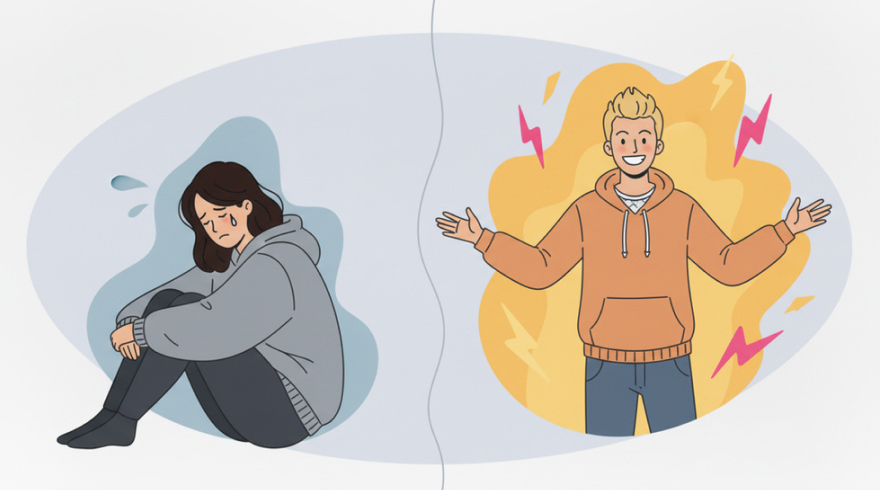
Take Bipolar and Depression Self-Tests for Disorder Screening
What a Bipolar Screening Really Measures and Why It Matters
Understanding the difference between everyday mood fluctuations and a cyclical mood disorder can be confusing, especially when energy, sleep, and motivation shift dramatically over time. A careful screening helps you recognize recurring patterns, such as alternating phases of low mood and elevated or irritable states, which may point toward a spectrum condition rather than a single episode of sadness. While only a qualified clinician can provide a diagnosis, an informed self-check can prepare you to describe experiences clearly, track triggers, and communicate specific concerns. By noticing when changes cluster around sleep loss, grandiosity, impulsivity, and agitation, you begin to see how mood states interlock with behavior, cognition, and daily functioning.
Many people start with a simple questionnaire, and a bipolar depression test can orient them to patterns worth discussing with a clinician. After a brief set of prompts that explore mood elevation, mixed features, and depressive severity, you receive guidance about next steps, risk indicators, and supportive resources. These insights can be especially helpful when you need a structured way to explain episodes to loved ones or to a healthcare professional, because they anchor your story in observable signs, not just feelings.
- Screening is not a diagnosis, but it organizes complex experiences into recognizable clusters.
- Results highlight symptoms to monitor, including sleep changes, restlessness, and shifts in goal-directed activity.
- Consistent tracking over weeks provides a clearer picture than a single snapshot.
- Sharing results with a clinician speeds up history-taking and improves the quality of care.
How Self-Assessments Are Designed, Scored, and Used in Practice
Well-constructed self-assessments draw on validated instruments, consistent scoring, and evidence about symptom patterns across the bipolar spectrum. Items probe multiple domains: mood intensity, duration, frequency, functional impairment, and the presence of mixed or hypomanic features that can masquerade as stress or burnout. Many tools include time anchors, asking how often issues occurred over the past two weeks or month, which improves recall and makes progress easier to review. Some screeners weight certain risk markers more heavily, such as a history of brief reduced-sleep periods with increased energy, or cycles that follow seasonal changes. Others add safety checks for suicidality, which should trigger urgent support.
When your answers cluster around shifts in sleep, energy, and impulsivity, a bipolar depression symptoms test is attempting to flag cyclical mood features rather than a single low period. The scoring then places you on a continuum from minimal indicators to strong likelihood of a bipolar pattern, often with suggestions for professional evaluation. Even when scores are moderate, the combination of symptom duration and functional impact can elevate concern, because impairment often signals the need for targeted care.
- Domains commonly assessed include mood elevation, irritability, anhedonia, psychomotor change, and concentration.
- Mixed features are critical, since they complicate treatment and may increase risk.
- Family history, age of onset, and episode frequency add context to raw scores.
- Follow-up plans should be personalized, not dictated solely by a numeric threshold.
Interpreting Results, Recognizing Red Flags, and Planning Next Steps
Scores are only as useful as the decisions they inform, so interpretation must focus on safety, function, and longitudinal trends. High scores with recent declines in sleep, rising agitation, or rapid shifts in mood call for prompt clinical attention. Even modest scores demand respect when they coincide with job or school problems, relationship strain, or escalating risk behaviors. If an assessment indicates possible mixed symptoms, be especially cautious, because agitation plus despair can increase harm potential. Results should guide you toward a collaborative plan, not an isolated label, and that plan usually includes monitoring, education, and a referral to a clinician experienced in mood disorders.
If what you want is clarity before booking an appointment, a test to see if you have bipolar depression should be treated as an initial compass rather than a verdict. Consider journaling mood, sleep duration, substance use, and stressors for two to four weeks, then bring both the log and your screener results to your visit. This combination helps a professional distinguish between unipolar depression, cyclothymic patterns, and bipolar presentations. You can also discuss medications, therapy approaches, and safety planning tailored to your situation, especially if you have noticed patterns that worsen under certain treatments or disruptions in routine.
- Seek urgent help if you experience suicidal thoughts, severe agitation, or psychotic symptoms.
- Document episode timing, triggers, and recovery periods to reveal cycle lengths.
- Invite a trusted person to provide collateral observations for your clinician.
- Re-screen periodically to track change and refine your care plan over time.
Using Digital Screeners Safely, Privately, and Effectively
Digital tools make it easy to explore concerns at your own pace, though convenience should be balanced with privacy and data protection. Look for clear information about who created the instrument, whether it maps to validated scales, and how your responses are handled. Sites should explain that results are educational, not diagnostic, and provide clear instructions for what to do next. Prioritize platforms with transparent authorship, citations, and links to crisis support. When possible, use devices secured with strong passwords and avoid public networks for sensitive health information.
For convenience without sacrificing caution, a bipolar depression test online should be taken on a secure, reputable site that explains privacy and scoring. After completion, review the interpretation guidelines carefully and consider taking a second validated tool to see whether patterns converge. If results indicate elevated risk, save a copy for your records and share it during a medical appointment. Combining a well-built digital screener with a symptom diary, calendar reminders, and proactive support creates a practical bridge from questions to care.
- Check for SSL encryption, privacy policies, and clear data retention practices.
- Favor assessments that cite peer-reviewed research or professional organizations.
- Avoid platforms that promise instant diagnosis or promote one-size-fits-all treatments.
- Use accessibility features like larger text or screen readers if helpful.
Benefits, Limitations, and the Evidence Behind Mood Screeners
Quality screeners serve as an early warning system, helping you spot mood patterns that might otherwise be dismissed as stress. They encourage reflective tracking, reduce stigma by naming experiences, and streamline conversations with clinicians. These benefits are most powerful when results are combined with a thorough clinical evaluation and ongoing monitoring. At the same time, false positives can occur, particularly when sleep deprivation or substance use mimics hypomanic features, and false negatives are possible during symptom quiet periods. Recognizing both strengths and weaknesses ensures you use the tool as intended: to inform, not define.
Because no screener is perfect, multiple bipolar depression tests used over time can highlight trends that inform follow-up care. Repeated assessments help you detect seasonality, medication effects, and how lifestyle changes influence mood stability. In research settings, validated scales show reasonable sensitivity to elevated-risk patterns, but specificity improves when combined with history and clinical interview. Ultimately, an integrated approach, self-report, collateral input, and professional evaluation, delivers the most accurate understanding and the safest plan forward.
- Use screeners to open dialogue, not to self-prescribe or change medication without guidance.
- Track context, including life events and medical conditions that affect mood and energy.
- Discuss results with clinicians trained in mood disorders and complex presentations.
- Commit to follow-up, since early adjustments can prevent escalation or relapse.
FAQ: Answers to Common Questions
What does a bipolar-focused screening actually measure?
Most tools assess depressive intensity, potential hypomanic symptoms, mixed features, and functional impact across work, school, and relationships. Questions often reference time frames and impairment to separate transient stress from cyclical patterns. By capturing both low and elevated states, the screener builds a more complete profile than a depression-only checklist, which helps guide a clinician toward the right differential diagnosis.
Are online self-assessments accurate enough to trust?
Validated instruments can reliably flag patterns that merit professional attention, but they cannot confirm a diagnosis on their own. If cost is a barrier, a bipolar depression test online free can still be useful when it cites validated instruments and provides clear next-step advice. Treat results as a starting point, pair them with a symptom diary, and seek clinical evaluation for a thorough assessment.
What score means I should seek help soon?
Elevated scores combined with recent sleep loss, agitation, or rapid mood shifts deserve prompt evaluation, especially if safety concerns are present. Even moderate results become more urgent when functioning declines or when mixed features appear. When in doubt, err on the side of contacting a healthcare professional, and use your screener results to structure the conversation.
Can teens or young adults use these tools?
Adolescents and young adults can benefit from structured self-checks, particularly when mood changes disrupt school or social life. Because early-onset patterns can be nuanced, it helps to involve caregivers and to consult clinicians with youth experience. Safety questions should be reviewed carefully, and urgent concerns require immediate, supervised support.
What should I do after a positive screen?
Save your results, record recent mood and sleep patterns, and schedule an appointment with a clinician who treats mood disorders. Bring a trusted person if possible, as their observations add valuable context. While waiting, emphasize consistent sleep, reduce substance use, and prepare questions about therapy options, medications, and monitoring plans tailored to your needs.
Important note: If you are in immediate danger or considering self-harm, contact local emergency services or a crisis hotline right away. A screener is a helpful guide, but urgent safety always comes first.